
Signed
The IT market is built for sellers. Signed is the podcast for the buyers.

Playbook: Buying MDR Without Getting Burned
Your MDR contract might only cover watching and telling you, not stopping anything. Max evaluated a well known provider and found the exact gap hiding under the brand name. If your provider has never been tested against a real attack, you don't actually know what you bought. Find out before your next renewal, not after your next incident.

Your Teams Voice Provider Isn't Who's Actually Running Your Calls
You know who sold you Teams Voice. Do you know who's actually running it? Find out before your next renewal, not after the outage.
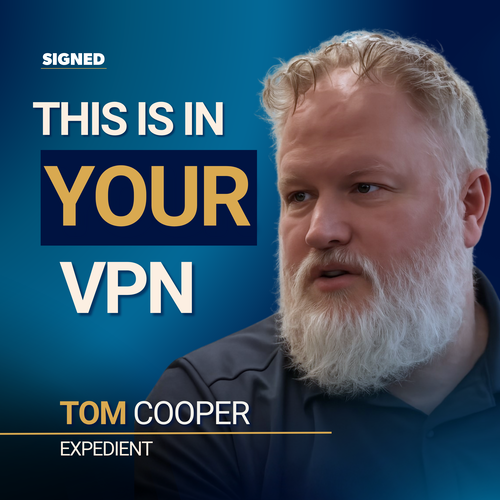
Your Developers Already Installed a Black Box Behind Your VPN
A black box coding tool is already behind your VPN, and nobody vetted it. Thomas Cooper on the one call that decides if you catch this now or pay later.

Playbook: The Hidden Bomb in your Contracts
Patent trolls filed more than half of all U.S. patent lawsuits in 2025. The clause that decides who pays is the one most buyers scroll past. Check it before you sign, not after a demand letter arrives.

Your Vendor Got Acquired. Most Customers Realize the Risk Too Late.
Your vendor just got acquired. Most buyers find out what that actually means at renewal. By then it's too late to do anything about it.

The EDR Was Running. The Ransomware Still Won.
Dave Chronister has walked into breached environments since 2007. EDR running, MDR installed, SOC 2 passed — none of it mattered. Here's why.

Playbook: AI Layoffs
Most AI layoff announcements are built the same way as a vendor pitch. Max Clark explains the pattern — and the one question that finds the real reason behind any explanation.

AI Agents Are Already Inside Your Company. Nobody’s Watching Them.
You bought the platform. You renewed the contract. And 80% of your breach risk is coming from the one thing the platform wasn't built to catch.

You Bought the Stack. You're Using Half of It.
You're paying for 100% of your Microsoft stack. You're using 44% of it — and buying third-party tools to fill gaps you already own.

Playbook: MSPs
MSPs sell their book. The vendors they're authorized on. The platforms they're certified on. The products they have margin on. The infrastructure they're about to recommend for your business is shaped by all of that before you walk in the room.

Nobody Owns Your Cloud Bill
Nobody owns your cloud bill. And if you signed an EDP without understanding it, you may not be able to spend less even if you want to.
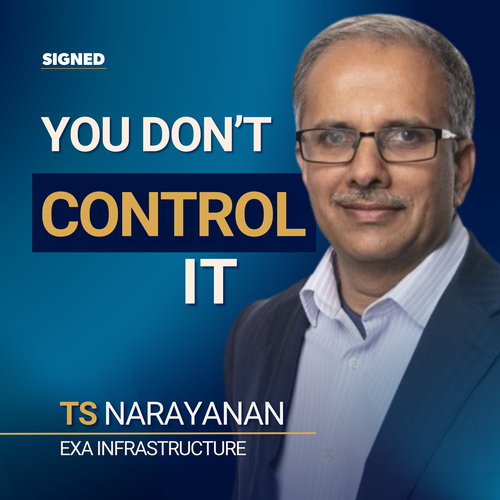
You’re Scaling on Infrastructure You Don’t Control
You're making infrastructure decisions on a system you can't see. It's fast, stable, and invisible. That's the problem.
Playbook: Be Careful With Your SOC2 Controls
SOC 2 certification has become shorthand for security. It isn't.

You’re Paying for the Same Network Twice
Hidden network costs don’t come from traffic. They come from how your architecture is built. This episode breaks down how double egress and legacy design quietly drive up spend and complexity.

AI Is Exposing Bad Network Decisions
Most enterprise networks weren’t designed—they were inherited. In this episode, Max Clark and Scott Nicols break down how legacy decisions, cost tradeoffs, and vendor shortcuts create long-term performance and risk issues and why those problems only become visible after it’s too late to fix them easily.

The Market Is Built For Sellers
The IT market is built for sellers. This is where buyers learn what actually happens before and after the decision and what they need to get it right.

Why Companies Spend Millions on Data (And Still Get No Value)
Max Clark is joined by Ed Bailey, Field CISO at Cribl, to discuss why many companies invest heavily in collecting data but struggle to turn it into meaningful outcomes.

From 400 Calls in Queue to Zero Hold Time
What happens when your contact center hits peak demand… and the queue explodes?

Why Contact Center AI Projects Fail After the Demo
The demo was perfect. Then deployment happened. If your contact center AI “worked” in a pilot but fell apart in production—this episode explains why.

The Azure Bill That Ended Cloud
What if the real problem isn’t Azure… it’s putting the wrong workloads there?

DSPM vs DLP: The Data Blind Spots Killing Your Cloud Security
If you’re betting on “the cloud is secure” and a few DLP rules to save you, you’re exposed. Most breaches aren’t a tool failure, they’re a visibility failure. You can’t protect data you can’t see.

Inside the Network That Prevented Prison Riots
You know that moment when the alerts start flooding in, and your entire network goes dark? Systems down. Phones silent. Operations frozen. Now imagine that happening inside a prison. Six hundred of them. One outage away from chaos.

Why This School Ditched Cisco and Saved $250K
Ever feel trapped in the endless cycle of network refreshes, license renewals, and “surprise” upgrade costs?

How Do You Convince the Board to Fund Security?
You know the risks. The board knows the budget. So how do you bridge the gap? For most IT and security leaders, convincing executives to prioritize security is the toughest job they face.
Is Your IT System Killing Your Leads?
Every minute you wait to respond, another lead dies. Missed calls, ignored forms, slow follow-ups, your IT system might be the silent killer behind your pipeline collapse.

The IT Gap That Can Shut You Down
Imagine signing the lease, hiring the staff, setting the date and then realizing you can’t even open your doors. That’s exactly what happened to a fast-growing healthcare provider.

AI That Saves Agents: Not Replaces Them
Imagine your call volume doubles overnight, but your hiring budget is stuck at zero. Most contact centers would collapse. Heritage Federal Credit Union didn’t.

Backups Don't Equal Recovery
They had backups. The storm didn’t care. When a major client demanded proof of uptime and recovery, a Florida-based marketing company realized their DR plan was just a plan, not a solution.

Your Fleet Is a Lawsuit Waiting to Happen
How many moving lawsuits are driving around with your logo on them right now? Fleet liability is no longer just a risk—it’s a ticking time bomb for your business. Accidents, claims, inflated insurance premiums, distracted drivers… the dangers are real, and they’re hiding in plain sight.

No Cyber Insurance. Still Got Paid.
What if you had no cyber insurance… and still walked away with the money?Most companies wouldn’t be so lucky. But one small manufacturer found themselves in the middle of a cybercrime event—and somehow, a loophole in the system worked in their favor.

A Child Died Dialing 911
It’s every parent’s worst nightmare—your child dials 911... and nothing happens.Most of us assume emergency services will be there when we need them. But what if your office phone, your cloud system, or your campus setup silently fails in a moment that counts?

Microsoft Wants You Off Calling Plans
Microsoft doesn’t just allow you to leave Calling Plans—they’ve built tools to help you do it. That’s not a glitch in the strategy. It is the strategy.

The Cyberattack That Killed a Patient
Could one missed alert put lives at risk? Hospitals were once worried about downtime. Now they're facing something far worse: real-world consequences when cybersecurity fails. One ransomware attack shut down a hospital—and a patient died. It was a moment that changed how healthcare leaders view risk forever.

They Got Breached Mid-Merger
What if the company you just bought came with a hidden cyber landmine? M&A is risky enough. But when cybersecurity gaps go unchecked during a merger, the consequences aren't just technical — they’re financial, operational, and reputational. And most leaders don’t see the breach coming until it’s too late.

Why Your IT Puts Your Patients at Risk
A 20-year-old server. A forgotten backup plan. A single system crash. In healthcare, these aren’t just IT oversights — they’re threats to patient lives. From delayed treatments to data breaches, outdated tech can trigger a cascade of consequences no provider can afford.

How a Forgotten Laptop Became a Security Time Bomb
What happens when a three-year-old laptop, long forgotten, quietly reconnects to your network? It sounds like a harmless scenario—until it isn't. In today’s digital landscape, what we forget can hurt us.
The Cyber Gap That Paralyzed a $2B Enterprise
3,000 apps. One entry point. Total compromise. In just hours, a $2B IT enterprise was paralyzed by ransomware, and what followed over the next 72 hours became a wake-up call for the entire industry.

How 1,500 Franchises Dodged a $10M Tech Meltdown
What’s the true cost of IT chaos across a national franchise chain? Try lost transactions, reputation damage, and weeks of operational disruption. Now multiply that by 1500.

SASE’s Hidden Loophole – Michael Ortega of CATO Networks Reveals the Biggest Threat to Businesses
Imagine logging in tomorrow and finding your entire network compromised. That’s exactly what happened to a company that relied on outdated security.
The IT Nightmare That Almost Brought Down a Global Company - Lessons from Cepheid’s Alexey Goncharov
Imagine running a company with 10,000 employees - only to discover your IT infrastructure is on the brink of collapse. What happens next?

The Streaming Playbook: Lessons from Jake Paul vs. Mike Tyson – Mark Barron of Akamai Breaks It Down
Picture this: millions of fans, all waiting for the fight of the year - Paul vs. Tyson - only for the stream to crash. What does it take to deliver a flawless, high-stakes live event without a second of downtime?

10,000 Songs in Your Pocket: Apple’s Billion-Dollar Sales Hack
What grabs your attention more—“64GB of storage” or “10,000 songs in your pocket”? If you’re still selling tech with numbers and specs, you’re leaving money on the table and losing deals before the conversation even starts.
The One Strategy That Guarantees You Win Every Tech Deal
You've been selling tech completely wrong! Most sales reps pitch products, rattle off features, and hope the client bites. But the truth is—buyers don’t care about your tech. They care about solving their problems. And if you’re not selling the solution to their pain, you’re already losing deals.
E5, SIEM & MDR: Cutting Through the Costs Without Compromising Security
You turned on Microsoft E5 security—now what? You expected airtight protection, but now you’re staring at skyrocketing SIEM costs, overwhelming configurations, and lingering security gaps. The worst part? You’re not even sure if you’re fully protected.
The Cybersecurity Gaps That Could Deny Your Business Insurance Coverage
Imagine this: A cyberattack hits your company, you file a claim… and your insurance refuses to pay. Why? Because your security didn’t meet the fine print requirements—requirements you never even knew existed.
TierPoint’s Tara Kovaleski Exposes the Disaster Recovery Flaws That Are Costing Companies Millions
What if your entire business went offline right now? One company found out the hard way that 75% of their critical applications were unrecoverable in a disaster.
Beyond Google & Microsoft: The Critical Email Security Layer You Need Now
Let’s play a quick game: If a hacker impersonated your CFO and sent an urgent payment request, would your company catch it? What about a malicious email that looks 99% identical to a real one? If you hesitated—even for a second—you’re already at risk. And no, Google and Microsoft’s built-in security won’t save you.

The $11 Million Security Illusion: Why Big Businesses Are Still Sitting Ducks with Aj King
What if I told you $11M in security won’t keep you safe? Enterprises pour millions into cybersecurity, yet breaches persist. Are they securing their data or actually funding the next big hack?
The Shocking Truth About IT Projects: You're Playing by Someone Else’s Rules
What if your IT project was never really up for debate? The reality is, 9 out of 10 times, the choices companies think they’re making have already been shaped by their past investments, vendor contracts, and infrastructure. You might be choosing between A and B—but was C ever an option?
You’re Doing IT Wrong: Why More Tech is Actually Hurting Your Business
Is your IT department drowning in tools, tech, and platforms that seem to promise more efficiency but only create more chaos? What if I told you that more tech could actually be the root cause of your business inefficiency?
The Hidden AWS Costs That Are Costing You Millions
What if you could save millions on your AWS bill without changing your infrastructure? The truth is, hidden AWS costs are draining budgets at a level most businesses don’t even realize—until it’s too late.

The IT Strategy Blind Spot You Can’t Afford to Ignore - Neil Simbulan on What Companies Get Wrong
What if the real threat to your company's growth isn’t budget, talent, or cutting-edge tech - but a critical IT blind spot you don’t even see?
This One Mistake Could Cost You Your Entire IT Access
What if you woke up tomorrow and had no access to your business? No emails. No files. No way to communicate with your team or customers. Sounds like a nightmare, right? But for many businesses, this happens more often than you’d think—and it all comes down to one critical mistake.

Your Passwords Are Useless – Brent Feller on How Hackers REALLY Get In
Still think passwords keep you safe? Think again. Hackers don’t need your credentials anymore - so the real question is, what are they using to get in?

The Shocking Event That Changed Online Banking Security and Disaster Recovery with Keith Lukes
Picture this: You wake up to discover your entire business, all your money—gone overnight. Panic sets in. Could you survive? In a world of relentless cyber threats, how secure is your data?
Microsoft Teams Just Changed the Game—Here’s Why No One’s Talking About It
Microsoft Teams just pulled off something huge, yet almost no one is talking about it. While other UCaaS platforms struggle with inconsistent user experiences, Microsoft quietly solved a problem that has plagued businesses for years.
Warning: Your Slack Messages Could Come Back to Haunt You in Court
Think your old Slack messages are gone? Think again. Even on free accounts, your chat history isn’t erased—it’s just locked behind a paywall, waiting to be uncovered when you least expect it. And if you ever face a legal dispute, those messages could suddenly become a major liability.
ITBroker.com: Because “Google IT Vendors” is Not a Strategy
Ever feel like choosing an IT provider is just a shot in the dark? Scrolling through endless Google results, skimming vendor websites, and hoping you make the right call? That’s not a strategy—it’s a costly gamble. And it’s exactly what ITBroker.com helps you avoid.
The Build vs. Buy Delusion: Why Most IT Engineers Have It Backwards
What’s worse than paying for expensive software? Building your own—and realizing it was a mistake. IT engineers love the idea of building custom solutions. More control. More flexibility. No vendor lock-in. But what happens when the maintenance costs pile up, the engineers move on, and your business is stuck with an outdated, unsupported mess?
SD-WAN, SSE & SASE Exposed: The Lies, the Hype, and the Truth
SD-WAN, SSE, and SASE are supposed to revolutionize IT security and networking—but are they really as game-changing as vendors claim? Companies are burning cash on legacy infrastructure, getting locked into outdated security models, and falling for half-baked solutions that don’t actually solve performance and security issues. It’s time to cut through the noise.
Networking Secrets About SD-WAN, SSE & SASE That Vendors Won’t Tell You
Ever felt like networking vendors are speaking a different language? You're not alone. SD-WAN, SSE, and SASE are the latest buzzwords, but what do they actually mean for your business? If your IT team is still managing MPLS, VPNs, and unreliable failovers, you could be losing money and performance without even realizing it.
Why Your $80,000 Firewall is a Joke
Would you buy a flip phone in 2025? No? Then why are businesses still spending $80,000 on firewalls designed for a world that no longer exists?
The Hidden Clause in Your Lease Agreement That Could Cost You Your Business
Imagine this: You sign a lease, plan your office move, and everything is set—until you find out you can’t get internet for weeks. Your business is stalled, deadlines slip, and costs pile up. All because of one hidden clause in your lease.

The $500M Nonprofit Saving Schools from IT Collapse – Dustin Young on the Cloud Strategy Behind It
Schools are going digital! Find out how new technology makes learning easier and better.
Why Being a Security Director is the Worst Job in Cybersecrurity
Imagine being hired to fail. You’re given a security budget that’s too small, a threat surface that’s too big, and when a breach happens? You’re the one getting fired. Welcome to the reality of a Security Director’s job.
25 Years of Data Center Secrets—Revealed in Under 20 Minutes!
Have 20 minutes? That’s all it takes to avoid costly data center mistakes. Most businesses don’t realize their data center choices impact everything—from costs and security to taxes and long-term growth. Pick wrong, and you’re locked into expensive problems. Pick right, and you gain a strategic advantage.
The #1 Mistake Businesses Make When Choosing Tech Tools
Are you stuck in endless debates over which tech tool to use? Slack or Teams? Notion or Asana? Salesforce or HubSpot? Most businesses waste time fixating on tools when they should be asking a completely different question.
$12M in Savings? The Bare Metal Advantage AWS Doesn’t Want You to Know
What if you could save your company millions without the complexity of moving to another cloud provider? $12M in savings might sound unrealistic, but bare metal could be the missing link in your cloud strategy. So, why are so many businesses still locked into AWS?
Should You Buy Ubiquiti or Meraki? Here’s How to Decide
Enterprise-grade networking or cost-effective simplicity? If you're trying to choose between Ubiquiti and Meraki, you're not alone. One is affordable and flexible, the other is powerful but pricey—but which one actually fits your business needs?
The Red Flags of Shadow IT: What’s Running in Your Network Without You Knowing?
Your IT team gets a frantic call—a critical business tool just went down. The problem? IT didn’t even know it existed. Welcome to Shadow IT: where employees unknowingly create security risks by using unauthorized apps. Could this be happening in your company right now?
Inside the CircleCI Hack: How One Click Unleashed a Security Nightmare
Would you know if your systems had already been breached? CircleCI didn’t. They only found out after a customer raised the alarm. One click led to stolen credentials, hijacked infrastructure, and months of security chaos.
Why Global Giants Are Ditching Firewalls & Upgrading from SSE to SASE
You wouldn’t build a house on a shaky foundation—so why rely on outdated firewalls and half-baked SSE solutions? Global enterprises are making the shift to SASE because security shouldn’t be an afterthought.
Think You’re Saving Money Moving Off the Cloud? Most IT Leaders Get This Wrong
Moving off the cloud? Great—just don’t let your engineers turn it into a financial disaster. Many IT teams think they’re cutting costs, only to overspend on hardware, overbuild infrastructure, and kill the project before it even starts.
The 5-Step Formula to Buying IT Services Like a Pro—From 25 Years of Experience
Buying IT services shouldn't feel like navigating a maze. Yet, many businesses waste time and money making the same costly mistakes—choosing the wrong provider, overpaying, or getting locked into bad contracts. But what if you could follow a simple, proven process to get it right every time?
The Worst Cybersecurity Mistakes That Make Hacking Your Business Easy
Ever feel like cybersecurity is a never-ending hassle? You’re not alone. But here’s the harsh reality—hackers count on you thinking that way. Businesses lose millions every year due to easily preventable mistakes. Are you making the same errors that leave your doors wide open to cybercriminals?
Customers Don’t Care About Features—They Want This Instead
Remember the last time you got frustrated using clunky software? Your customers feel the same way. They don’t care about your long list of features—they just want things to work.
Broadband, Fiber, Fixed Wireless, or Satellite? Most Businesses Get This Wrong
Ever experienced slow internet just when you needed it most? Maybe your video calls freeze, your transactions lag, or your entire network grinds to a halt at the worst time. The problem? You might be using the wrong type of internet for your business.
The Telecom Lie Every CEO Falls For
Telecom sales reps are lying to you. They promise fast installations, but the second you sign, you’re trapped in delays, hidden costs, and zero accountability.
Get More for Less: The Hidden Benefits of Choosing Burst Over Flat Rate Bandwidth
Are you paying for bandwidth you don’t even use? It’s a question many businesses should be asking. Flat-rate circuits may seem like the go-to option for stable bandwidth, but they could be costing you more than they’re worth. What if there was a way to get the bandwidth you need, without overpaying for unused capacity?
What You Don’t Know About Right of First Refusal in Data Center Deals Could Cost You Big
What if a small clause in your data center agreement could cost you big down the road?
What They’re NOT Telling You About Data Center REIT Status
Ever wondered if your data center provider is offering more than they can deliver?
How These Two Contract Clauses Almost Destroyed a Business
What if a simple contract clause could put your business at risk?
The Real Issue with Communication Tools: Why the Tool Isn’t the Problem
Why does communication still feel chaotic, even when you’ve got the right tools in place? It’s easy to blame the tool, but the truth is, the real issue might lie in the way you’re using it.
How to Avoid Bad IT Consultants and Find the Perfect MSP for Your Small Business!
Is your business stuck with subpar IT support that’s holding you back? Choosing the wrong consultant or MSP can leave you frustrated and wasting money. But finding the right one doesn’t have to be so hard.
How to Win Every IT Contract Negotiation: Insider Tips You Need!
Are you getting the best possible deal when signing IT contracts? Most businesses settle for terms that don’t benefit them—leading to overpaying, unnecessary commitments, and hidden fees. But it doesn’t have to be this way.
The Hidden Costs of a 10-Month Vendor Onboarding Nightmare!
Imagine waiting 10 months just to onboard a vendor. Sound ridiculous? Unfortunately, for many companies, this is their reality. And the worst part? They’re losing big money because of it.
The Power of Core Behaviors: How Trust Can Transform Your Corporate Culture
Have you ever felt like your company’s culture is just not clicking? That despite having core values, something is still missing? If your workplace isn’t built on trust, then you're likely missing a key ingredient for success.
One of the Most Shocking Things I’ve Ever Seen a CEO Do In A Company
Ever wondered how far a CEO can push the envelope to increase profits? What happens when they go too far and cross the line of ethical decision-making?
Stop Falling for the Big Firewall Scam: Here’s Why You Don’t Need One
What if the massive firewall you invested in is actually more of a burden than a benefit? Companies have been lured into buying these expensive devices, but the truth is, they might not need them at all. How can you be sure?
The Truth About Data Center Providers: How We Pick the Best for Our Clients
Are you choosing the right data center provider for your business needs? With so many options available, selecting the perfect provider can feel overwhelming. But what if there was a way to ensure you’re picking the best of the best?
The Secret to Choosing the Perfect Service Provider for Your Business Size
How much is the wrong service provider costing you? The provider you’re working with may be too large or too small for your needs, leaving you stuck in a frustrating and inefficient situation. But what if there was a way to ensure the perfect match?
Slash Your Bandwidth Costs: How 95th Percentile Billing Is the Game-Changer
Are you getting charged for bandwidth you don’t need? For many businesses, high data costs are a serious challenge. What if you could lower those costs by simply switching how you’re billed? Imagine paying for bandwidth in a way that actually works for your business.
Stop Wasting Emails: How to Make Sure Every Message Reaches the Inbox
Tired of seeing your emails go undelivered? You’re not alone—millions of emails are lost every day, and it’s not just spam. Is your business at risk of being marked as a sender that can’t be trusted?
The Tech Giant Shake-Up: Can You Still Trust HPE, Juniper, and Broadcom?
Have you ever invested in a tech solution, only to watch the company behind it get acquired and everything change overnight? With HPE buying Juniper and Broadcom disrupting VMware, businesses are being forced to rethink their long-term IT strategies.
Most Microsoft E5 ‘Experts’ Have No Clue What They’re Doing – Are You at Risk?
Ever hired a so-called "expert" only to find out they had no idea what they were doing? When it comes to Microsoft E5 Security, bad providers can put your entire business at risk—and most companies don’t realize it until it’s too late.
The Brutal Truth About SASE – Why Most Providers Suck
Ever wonder why your ‘cutting-edge’ SASE solution feels like a downgrade instead of an upgrade? You’re not imagining things—most providers are selling a dream and delivering a nightmare.
The Internet Hack Big Telcos Don’t Want You to Know – Save 50% and Go 10x Faster!
Are you being ripped off by your internet provider? The truth is, Big Telcos are charging you premium prices for speeds that don’t match the cost—and they don’t want you to know there's a better way.
Shiny Object Syndrome: How Non-Tech Leaders Can Avoid Costly Engineering Mistakes
Tech decisions should be based on business needs, not hype. Too often, companies get caught in endless tech migrations and architecture changes, not because they need to—but because their engineers want to experiment with the latest trend.
The Contract Mistakes That Cost Businesses Millions
Your contract isn’t as airtight as you think. Too many businesses fall into legal traps that cost them millions—auto-renew clauses, weak termination rights, and SLA fine print that offers little real protection.
Why Most Companies Get Device Security Completely Wrong
Your company’s device security is weaker than you think—and hackers know it. Most businesses assume their Secure Web Gateway (SWG) and VPN solutions are protecting them. They’re wrong.
Why No One Cares About Your Tech ROI Pitch
You built the perfect ROI case. The numbers add up. The benefits are obvious. So why is no one listening?
You're One Click Away From a $50,000 Business Disaster
What if a single email could cost your business $50,000? It happened to a business owner who thought they were operating above board—until they received a shocking legal notice accusing them of software piracy. One innocent mistake, one overlooked install, and suddenly, they were staring at a massive bill they never saw coming.
The Software Licensing Scam: Are You Wasting Money on Tools No One Uses?
If you had to bet, how many of your company’s software tools are actually being used? Most businesses sign contracts and assume their teams are onboard, but what if they’re not? What if employees hate the system, have stopped using it, or found workarounds - while the company keeps paying?
Inside Job: How An Ex-Employee Brought a Bank to Its Knees
Could your biggest threat be sitting inside your own company? When it comes to cybersecurity, most businesses focus on external threats—but what happens when the danger is coming from within?
The Ultimate Cheat Sheet: 6 Cybersecurity Acronyms That Hackers Don’t Want You to Know
Ever feel like cybersecurity is just a mess of confusing acronyms? IAM, MFA, EDR… what do they even mean? More importantly, which ones actually keep hackers out of your business?
The Proxy Hack That Global Networks Use to Boost Performance and Save Millions
Latency issues, unpredictable routing, and skyrocketing costs - sound familiar? In a world where data flows faster than ever, global networks are turning to a little-known proxy hack to fix performance bottlenecks and slash unnecessary spending.
Outsmart Network Costs: The Routing Playbook No One Told You About
What if your network was quietly eating away at your profits? Most companies don’t realize how much they’re overpaying - until it’s too late. But here’s the secret: your routing setup could be the key to cutting costs.
Stop Overpaying for AWS: How Businesses Cut Spending by Up to 70%
What if I told you that your AWS bill could be slashed by 70%—without cutting performance? The truth is, most businesses are overpaying for cloud services, and AWS is counting on you not knowing how to fight back.

60% Savings? Jay Smith of Evocative on How Twitter’s Cloud Exit Could Transform Your IT Strategy
Could your business slash IT costs by 60% overnight? Twitter did it by ditching the cloud. But is moving back to physical infrastructure a smart move for you?
Bankruptcy Power Play: How to Turn a Crisis into Your Biggest Advantage
Your service provider just declared bankruptcy—now what? Do you cut ties immediately, or could this be your biggest advantage yet? Bankruptcy isn't just about failure; it’s a high-stakes game where the smartest players come out on top.
Your Startup’s Worst Enemy: The Fatal Mistake Every Startup Leader Must Avoid
Have you ever wondered if your leadership decisions are unknowingly sabotaging your startup’s future? It’s time to uncover a mistake that could be your business's worst enemy.
The Guaranteed Way to Scale Your Business: The 4D’s That Will Change Everything
Feeling like your business is stuck in a loop of chaos and confusion? What if you could cut through the noise, streamline everything, and scale faster than ever?
The Hidden Agenda Behind Laptop Giveaways After Layoffs: What They're Not Telling You
It sounds like a win-win: employees get to keep their laptops after layoffs. But is it really a generous gesture, or is there something deeper at play?
The Truth Behind Corporate Values: Why Most Miss the Mark and How to Get Them Right
Ever sat through a meeting where you discussed company values, only to think, "Does anyone actually believe in these?" Too often, companies fall into the trap of creating values that sound good on paper but don’t really mean anything.
You're Solving the Wrong Problem and It’s Costing You More Than You Realize!
Have you ever spent hours solving a problem, only to realize you were focused on the wrong thing? It’s a frustrating experience and it’s costing you more than you think.
Are Your Vendors Really Your Partners? Unmasking the Truth Behind Business Collaborations
What if the partnerships you’ve been trusting all this time aren’t as solid as you think? Are your vendors really working for you... or for themselves?
Microsoft Teams: The Hidden Strategy That’s Changing the Phone System Game
Have you ever stopped to think about how your phone system is evolving? With traditional desk phones becoming obsolete, it’s time to ask: what’s next for business communication? You might be surprised by what’s quietly taking over the game.
The IT Cheat Code You Didn’t Know You Needed
What if your IT system could be as easy as flipping a switch? Imagine drastically cutting costs, boosting productivity, and eliminating the headache of outdated hardware. Sounds too good to be true, right? Think again.
The Hidden Monopoly: How A Few Players Control Internet Traffic
Your internet isn’t as open as you think. Behind every search, video, and connection, a hidden monopoly controls the flow of data. This small group of companies makes decisions that impact everything from your internet speed to the reliability of your business network.
Behind the Curtain: How Your Internet Access is Controlled by a Handful of Companies
Who really owns the internet? It’s not as decentralized as you might think. A small group of telecom giants controls the fiber optic networks and undersea cables that power global connectivity. They decide how fast, how reliable, and how expensive your internet access is.

How One Password Cost MGM $100M: Elia Cohen of AT&T Shares a Quick Guide to Staying Safe
One hacked password. $100M lost. If MGM wasn’t safe, are you?
The Dark Side of Business Lawsuits: What Every Entrepreneur Should Know
It’s not a question of if your business will face a lawsuit - it’s when. The bigger you grow, the higher the chances of landing in a legal battle you never saw coming. The worst part? Even if you win, you could still lose - time, money, and peace of mind.
Tech’s Best-Kept Secret: How Smart Buyers Use Resellers to Get More for Less
If you're buying direct, you're probably paying too much. What if we told you that there’s a way to get the same product, better support, and a lower price - without negotiating? That’s the power of resellers, and it’s a secret that top companies use to save money and get more value.
Why That “Perfect” Supplier Could Be Your Worst Business Decision
Ever signed up for a supplier that looked perfect—only to realize later that it was an absolute nightmare? Great marketing, glowing reviews, and a slick onboarding experience can make a vendor seem like a no-brainer. But what happens when everything almost works, yet never quite delivers?
The Hack to Getting More from Your Service Provider (Without Paying More)
Think cutting out the middleman saves you money? Think again. Many businesses assume going direct means getting the best deal. Spoiler alert: It doesn’t.
Resellers vs. Direct: The Pricing Loophole You’re Probably Ignoring
You’re overpaying for tech - and you don’t even know it. Manufacturers have a dirty little secret: they charge you extra to buy direct. Fortune 500s already know this, which is why they always buy through resellers to score massive discounts. The real question is - why aren’t you doing the same?

Perimeter 81 Reveals The IoT Threat Your Firewall Won’t Catch
Your firewall can’t see it. Your encryption won’t stop it. Hackers are breaching through IoT devices you trust every day. Are you prepared for the attack already underway?
Your Cybersecurity Budget Is a Joke - Here’s Why
Ever wonder why companies throw millions at cybersecurity yet still get hacked? The truth is, most cybersecurity budgets are built on outdated thinking, false assumptions, and a dangerous focus on ROI that completely misses the point.
The Most Expensive Mistake in Tech Buying That No One Talks About
You bought the software. It worked—until your business grew. Now, you’re stuck in a system that won’t integrate with new tools, lacks the features you need, and is costing you more than you ever expected. Sound familiar? You’re not alone.

The $100K Mistake Companies Make with Their Phone - And Why Dialpad is the Only Solution You Need
Losing six figures a year to a failing phone system? One move could cut the waste and boost communication instantly.
Everything You Know About Tech Marketing is a Lie
Tech marketing is designed to manipulate you. Every year, vendors roll out “must-have” solutions that sound futuristic and groundbreaking - but how much of it is really new? More often than not, you’re paying a premium for the same technology with a different name.
DaaS vs. Buying Computers: The $100,000 Mistake You’re Making
Every lost, stolen, or outdated laptop is a security risk waiting to happen - yet companies keep spending on expensive hardware. With Desktop as a Service (DaaS), you can deploy secure, scalable workspaces instantly - no shipping, no maintenance, no risk. So why are businesses still stuck in the past?
Why Your Cloud Strategy Fails – What Chick-fil-A Did Differently with John Spivey & Dave Nowicki
Think the cloud guarantees success? Most businesses get it wrong—and pay for it. Chick-fil-A took a smarter path and won. What did they do differently?
The Hidden Struggles of SMS Campaigns: What They Don’t Tell You
Ever tried sending a simple text to your customers, only to find out it’s nearly impossible? While legitimate businesses struggle to register SMS campaigns, spammers continue flooding inboxes with junk messages. Why is the system broken, and what can you do about it?
Building a Data Center? You’re About to Make a Huge Mistake
Are you about to sink millions into building your own data center? Stop right there. Owning sounds like control—but it’s actually a financial and operational nightmare. Massive upfront costs, endless maintenance, lost flexibility—it’s a budget-draining trap that can derail your entire IT strategy.

What Cisco & Palo Alto Don’t Want You to Know – Roman Jeitziner on the Future of SASE & SD-WAN
Cisco and Palo Alto won’t say it, but IT leaders are shifting. Stacked firewalls, VPNs, and SD-WAN create complexity and security gaps. What if one solution could fix it all?
Most Companies Get This Wrong: How to Pick the Right Data Center
Ever wonder why some companies run cost-efficient, high-performance data centers while others bleed cash on the wrong setup? Most companies make critical mistakes when choosing a data center - errors that cost them millions. The problem? They focus on the wrong factors, fall for industry myths, and overlook the real deal-breakers.
The Two Biggest Red Flags in Vendors That Cost You Time and Money
You just found a vendor who promises everything you need. But something feels… off. You ask for pricing, and they hesitate. They promise to “put their A-team on your project.” Should you be worried? Absolutely.
5 Critical Internet Decisions That Can Make or Break Your Business
Imagine this: Your business grinds to a halt. No internet. No cloud access. No communication. Now, picture yourself scrambling to get things back online—only to find out you signed the wrong contract, picked the wrong provider, or didn’t have real redundancy in place. Sound like a nightmare? It happens more often than you think.
SASE Unveiled: The Cybersecurity Hack You Need to Know
Struggling to keep up with today’s evolving cybersecurity threats? The traditional ways of securing your network no longer cut it, especially with more businesses shifting to the cloud and managing remote workforces. That’s where SASE comes in.

Adam Settle Exposes the CX Mistakes Costing You Customers & Millions in Revenue
Lost customers mean lost revenue. Slow responses and poor customer experience cost more than you think. The best companies don’t just keep customers - they create lifelong advocates.
Unlock the Power of SD-WAN: Why It’s the Ultimate Solution You’re Missing
Are your network challenges slowing down your business? What if there’s a solution that could streamline connectivity, optimize performance, and make your IT infrastructure more efficient without the headache? The answer might be SD-WAN, but is your organization leveraging its full potential?
The Secret MSP Strategy Top IT Teams Don’t Want You to Know
Are you stuck in the day-to-day grind of managing IT resources?You’re not alone. Many IT teams find themselves overwhelmed, caught in the cycle of staffing, equipment, and managing complex systems. But what if there was a smarter way to get more done, free up your time, and drive real value for the business?

Hackers Don’t Take Holidays: Xcitium’s Response to a Christmas Day Cyberattack
Christmas morning—gifts for most, chaos for one company hit by ransomware. Hackers don’t take holidays, and when your team is offline, you’re most vulnerable. How do you stay protected?

MSP Truths Revealed by Eric Hasenstab: Are You Paying for IT That Doesn’t Work?
Paying for IT that’s failing you? Many MSPs fall short, leaving hidden inefficiencies, security gaps, and wasted costs in your tech stack. Are you getting real value?
Your Business Values Are Useless If They Don't Pass This Test
Are your company values real guiding principles or just words on a wall? Most businesses claim to have core values, but do they actually shape decisions, hiring, and company culture? If you stripped away the corporate fluff, would your values still hold weight or would they crumble under scrutiny?
Why You’re Hiring Wrong: How to Spot the Difference Between a Rockstar and a Liability
Are you hiring the wrong people without even realizing it? You may think you’re bringing in top talent, but if you're prioritizing speed and urgency over attention to detail, you could be setting your team up for failure. The difference between a rockstar employee and a liability isn’t just skill - it’s mindset and execution.
Hackers Strike in Seconds - Scott Bennett on How Darktrace’s AI Stops CEO Scams & Airport Breaches
Your systems are secure. Your team is ready. Yet, right now, AI-powered hackers are about to find the gap you missed. What happens next? Seconds decide.
Stop! Don’t Buy That Firewall Until You Watch This
Are you about to drop serious cash on a new firewall? Hold up. Before you commit to that expensive hardware, you need to know why most firewalls are completely useless in modern IT environments. If your firewall strategy hasn’t evolved, you’re probably wasting money on outdated technology that won’t actually protect your business.
The HubSpot Hack: Automate Your Follow-Ups & Never Miss a Lead Again!
How many deals slipped away because someone forgot to follow up? Most companies don't struggle to sell—they struggle to stay in touch. But what if you could automate your outreach and guarantee no lead ever falls through the cracks again?

The Hidden Cost of Cloud: What Your Provider Won’t Tell You – Brian Knudtson Tells All
Think your cloud deal is fair? Hidden fees and soaring costs say otherwise. If you’re paying more but getting less, it’s time to rethink your cloud strategy.
The Single Vendor Myth: Why ‘One Platform’ Might Be a Lie
Is your "all-in-one" platform truly integrated—or just a bundle of products under the same logo? Vendors love selling the vision of unified tech, but too often you're stuck juggling multiple interfaces, clunky dashboards, and costly inefficiencies disguised as simplicity.
SIP Trunking Exposed: How to Spot Hidden Costs & Get the Best Deal
Overpaying for SIP trunking without realizing it? Many businesses think they’re getting a great deal—until hidden costs pile up. From misleading rates to unnecessary bundles, vendors have plenty of ways to squeeze more from your contract.

What Global Enterprises Know About Backup Networks That You Don’t - Inside Sierra Wireless MNS
Your internet just went down. Panic or business as usual? The right backup is the difference between survival and disaster.
The Biggest Lie in Tech Pricing: Why Cheap Doesn’t Mean Better
Think you’re scoring a bargain on tech? Think again. Chasing the lowest price on internet, cloud, or hardware often leads to hidden limits, performance drops, and costly surprises.
AWS Enterprise Discount Program: The Fine Print That Could Cost You Millions
That AWS discount? It might be a financial trap. The AWS Enterprise Discount Program rewards high spenders—but what happens when your cloud usage drops? Cut costs too well, and you could be forced to pay more anyway.

The Multi-Vendor Security Nightmare: Why IT Leaders Are Making the Shift to Cato SASE
Security sprawl is killing efficiency—and exposing you to risk. More tools won’t fix it. What if the real solution is fewer?
Why Moving Your Phone System to the Cloud Is A Recipe for Disaster
Your office phone system works fine—so moving it to the cloud should be easy, right? Wrong. A simple 'lift and shift' can lead to lost functionality, broken workflows, and major disruptions.
The Hidden Game of Vendor Pricing: How to Get the Best Deal Every Time
Why do some companies score huge discounts while you pay full price? It’s not luck—it’s strategy. Vendors have a hidden pricing playbook, and if you don’t know the rules, you’re losing.

Guaranteed Business Efficiency: Why Evolve IP’s Cloud Desktop Solutions Deliver Every Time
Always chasing productivity but never catching it? The right tool could change everything—seamless, scalable, unstoppable.
The Ugly Truth About RFPs: Why Your Vendor Selection Process Is Rigged
Let’s be honest—RFPs suck. Weeks of drafting, chasing vendors, and reviewing proposals, only to end up where you started. But what if the game was rigged from the start?

The $40 Million Scam: Chris Ichelson Shares How 360 SOC Security Could Have Stopped It
Imagine waking up to discover your business has just fallen victim to a $40 million scam. An unsuspecting employee unknowingly clicks on a malicious email, triggering a chain reaction that leads to one of the biggest cybercrimes in history. Now, how can you make sure your business isn’t the next target?
Breaking Through China’s Great Firewall: The Costly Mistakes & Our Winning Strategy
Imagine your product suddenly failing for millions—and you have no clue why. That’s what happened to our client when their app hit China’s Great Firewall. Traffic blocked, performance crippled, costs skyrocketing. They needed a fix—fast.

You're Overspending on Microsoft's Calling Plan–Jaime Zarate Shares What IT Pros Know That You Don't
Overpaying for Microsoft’s calling plan? If you use Teams, you might be wasting money—without knowing it. The smart alternative? IT pros already have it.
SD-WAN Isn’t What You Think - Here’s What No One’s Telling You
SD-WAN is the future of networking - but what if you’re not getting the full story? It’s no magic fix, and the wrong setup could hurt more than it helps.

How G12 Communications Transforms Operations into Profit Machines with Rick Garcia
Your biggest revenue boost is hiding in plain sight—your operations. Stop cutting costs. Start making smarter moves that fuel growth.
You’re Doing It Wrong: The Tech Shift Unlocking New Revenue Streams
Think your business is running at full speed? Think again. You could be leaving millions on the table without realizing it. Outdated processes are quietly holding you back, while smarter companies leverage simple tech shifts to scale faster, close more deals, and unlock massive revenue. Are you keeping up?

The CFO’s Secret Weapon: How ChromeOS Turns IT Costs Into a Hidden Profit Stream with Jimmy Riordan
What if your operations could fuel revenue, not just cut costs? Most businesses miss hidden profits by clinging to outdated systems. The right tools change everything.
Hacked & Exposed: The CircleCI Breach That Cost DevOps Everything
What if your company’s security hinged on vendors who weren’t watching? CircleCI learned the hard way - one overlooked red flag unraveled into a full-blown crisis. Productivity crippled. Secrets leaked. Trust shattered. Could it happen to you?

Brewed for Disaster: How Coffee Machines Are Hacking It's Way Into Your Network w/ Christian Samuel
Your coffee machine could be the weakest link in your security. Hackers are exploiting IoT—how exposed are you?
Optimization Blind Spots: This Tech Decision Could Derail Your Growth
Is your tech optimization strategy as solid as you think? More often than not, businesses make tech decisions based on short-term convenience, only to find out later they’ve overlooked crucial details that could cost them growth.

Your Network Strategy Is Outdated: Anna Claiborne Reveals What Most Companies Still Don't Get
What worked yesterday isn’t cutting it today. As businesses increasingly embrace digital transformation, relying on outdated network strategies can slow down progress and limit growth.

The Costly Truth Cloud Providers Hide: Insights from ServerCentral Turing Group CTO Eric Dynowski
What if your cloud provider isn’t telling you the full story? If your costs keep climbing, it’s time to find out why.

How Rackspace’s Multi-Cloud Strategy that Drives Profit: Insights from Steve Mills & Tyler Goodlett
Hybrid cloud can do more than save time—it can drive profit. Are you unlocking its full potential?

Don’t Let This Pitfall Ruin Your Strategy: Holland Barry Reveals How SDN Can Save Your Operations
Hybrid cloud is supposed to cut costs and boost flexibility. So why is it a headache? What if your strategy is working against you?
The Ultimate Enterprise Guide to Data Center Optimization & Scalability with Cyxtera’s Russell Cozart
Enterprises are outgrowing traditional data centers—are you ready? If cloud costs, bottlenecks, and scaling challenges are holding you back, it’s time for a new strategy.

Why Google Cloud is Winning: Simon Margolis of SADA on GCP’s Market Disruption
Google Cloud is making waves in the cloud market, but how did it rise so quickly? What makes GCP such a powerful disruptor?

Stop Doing This in Your Cloud Migration – Jim Haas of Ntirety Breaks Down the Mistakes Everyone Makes
What if your cloud migration is a trap? Hidden risks, skyrocketing costs, and operational chaos—your provider won’t warn you, but you’ll pay the price.

Everything You Know About Multi-Cloud Is a Lie – Rackspace’s Jeff DeVerter Sets the Record Straight
What if everything you’ve been told about multi-cloud was just marketing hype?

Why Most Companies Are Overpaying for the Cloud - Chuck Price on Saving Money and Avoiding Waste
What if your cloud bill is bleeding your budget dry? Many expect savings, but hidden costs, inefficiencies, and poor architecture are quietly draining IT funds.
More Security Tools, Less Protection? Dave Martin & Roman Jeitziner Reveals Why Simpler Is Safer
What if adding more security tools is actually making your business less secure? Companies are piling on more security tools than ever yet breaches are at an all-time high.

How CenturyLink is Rewriting the Global Internet Connectivity - Insights from William Wohnoutka
Why does your internet feel fast one moment and painfully slow the next? In a world built on connectivity, some players are rewriting the rules—are you keeping up?

Why Global Giants Choose Aryaka: Ashwath Nagaraj Reveals The One Network Strategy They're Not Telling You About
What if there was one network strategy that could completely transform your global operations? One that most companies aren’t talking about, but global giants already know?
The Biggest Myth in Cybersecurity Exposed - Ntirety's CISO Chris Riley Unveils What’s Putting You at Risk
Think your business is safe? Think again. The biggest cybersecurity threat isn’t what you expect - it’s what you assume.

How CloudGenix SD-WAN Became the Go-To Choice for Fortune 1000 Enterprises
What if your network could think for itself? What if it could anticipate failures, reroute traffic before problems arise, and guarantee a seamless user experience - all without human intervention?

Inside the Hacker Mind: Ivan Paynter Reveals How Cybercriminals Break In and Stay Hidden
Hackers aren’t just breaking in—they’re staying undetected for months, silently stealing data, deploying ransomware, and waiting for the perfect moment to strike. Most businesses don’t realize they’ve been breached until it’s too late.

The Network Disaster You Don’t See Coming - Ryan Williams Reveals How SD-WAN Solves It
Your network’s biggest vulnerability isn’t what you think. One overlooked weak spot could bring your entire operation to a standstill - without warning.